Key Takeaways
- 01
Clear reporting improves project visibility and accountability. - 02
Consistent updates help teams identify issues and avoid project delays. - 03
Structured reports support faster stakeholder decision-making. - 04
Different templates support different project reporting needs. - 05
Real-time tracking improves project communication and planning.
A well-structured project status report helps teams stay aligned on progress, timelines, risks, and upcoming priorities.
It gives stakeholders a clear view of project performance without requiring lengthy updates or scattered communication. In addition, strong reporting improves accountability and supports faster decision-making throughout project execution.
But how do you create a real-time project status report that is clear, actionable, and easy for teams to follow?
In this blog, we will walk through the key elements of effective status reporting, practical templates, and examples. These methods can help project managers communicate progress with greater clarity and confidence.
What is a Project Status Report?
A project status report gives teams a clear view of ongoing project performance. It tracks completed tasks, pending activities, budget usage, and upcoming milestones. As a result, project managers can maintain alignment across teams and stakeholders.
Regular reporting also improves communication and keeps leadership informed about project progress, priorities, and possible risks affecting delivery timelines. PM status reports also help organizations avoid confusion and reduce unexpected project delays. Furthermore, they present important updates in a structured format, which supports faster decisions.
These reports can highlight bottlenecks before they become larger operational issues. Therefore, consistent reporting helps teams improve accountability, manage resources, and maintain steady progress throughout the project lifecycle.
Key Components of a Project Status Report
A useful project status report should include the information stakeholders need to understand current performance quickly.
- Summarize project goals, timelines, and current progress.
- Highlight completed tasks and recently achieved project milestones.
- Identify ongoing risks that could affect project timelines and deliverables.
- Track project spending, resources, and overall team availability.
- Outline upcoming priorities, deadlines, and planned project activities.
Together, these components provide a complete view of project health and help stakeholders understand what requires attention.
Step-by-Step Guide to Writing a Project Status Report
Writing an effective PM status report requires more than sharing task updates.
The report should present progress, risks, priorities, and next steps in a structured manner. As a result, stakeholders can understand project performance quickly.
A clear reporting process also supports better communication across teams. Here are the essential steps to create a professional and actionable status report.
1. Start With Current Project Status
Begin with a quick summary of the project’s overall condition.
Mention whether the project is on track, delayed, or facing risks. This helps stakeholders understand the situation immediately without reviewing every detail first.
2. Highlight Major Progress
Focus on completed tasks, recent milestones, and measurable achievements.
Keep updates clear and directly connected to project objectives. In addition, a concise progress section improves readability and keeps teams aligned on outcomes.
3. Mention Risks Early
Include blockers, delays, or resource concerns that could affect project delivery.
Explain how the team plans to resolve these issues. Early visibility allows leadership to make faster operational decisions and take corrective action when needed.
4. Add Upcoming Priorities
Share the tasks planned for the next reporting period.
Mention deadlines, dependencies, and important deliverables. As a result, everyone remains focused on upcoming priorities and responsibilities.
5. Keep The Structure Consistent
Use a consistent project reporting format for every reporting cycle.
An organized format makes information easier to track and compare over time. It also improves communication between project teams and stakeholders.
6. Use Clear And Simple Language
Avoid lengthy explanations and overly technical wording in project updates.
Keep every sentence direct, professional, and easy to understand. Therefore, a strong weekly project status update can communicate important information quickly and clearly.
Types of Project Status Report Templates
Different projects require different reporting formats. The following templates are commonly used by project teams.
1. Executive Status Report Templates
Executive templates focus on business impact, project health, and strategic updates.
They help leadership review important decisions without going through operational-level details.
2. Team Status Report Templates
Team templates improve coordination, task visibility, and workload management across departments.
They also help managers identify bottlenecks that could affect daily project execution.
3. Weekly Status Update Templates
Weekly templates track short-term progress, blockers, and immediate project priorities.
They work well for fast-moving projects that require close stakeholder involvement.
4. Portfolio Status Report Templates
Portfolio templates monitor multiple projects, shared resources, and project dependencies together.
As a result, they support better planning and improve overall program-level visibility.
5. Monthly Project Progress Templates
Monthly templates provide a broader overview of milestones, budgets, and project performance.
They give stakeholders regular updates without overwhelming them with constant reporting.
PM Status Report Example
1. Executive Summary Status Report
Executive summary reports provide quick project insights for leadership and key stakeholders.
They highlight project health, budget status, milestones, and major risks in a concise format.
2. Detailed Weekly Status Report
Detailed weekly reports track completed tasks, ongoing activities, and project blockers clearly.
They improve team coordination and help managers monitor short-term project progress more effectively.
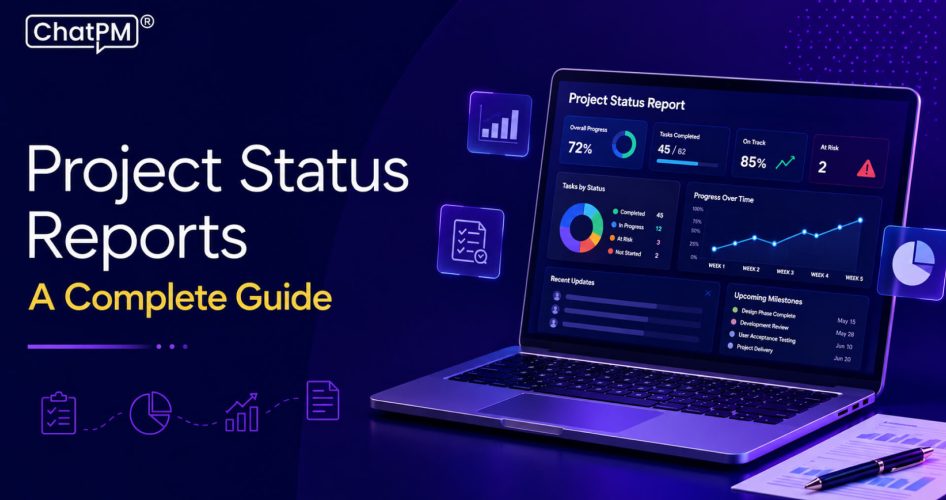
3. Dashboard-Based Status Report
Dashboard reports present project data using charts, KPIs, and visual performance indicators.
In addition, they support real-time monitoring and improve decision-making through better project visibility.
4. Milestone-Based Status Report
Milestone-based reports focus on completed deliverables, project phases, and important achievements.
They help stakeholders measure progress against planned timelines and strategic goals.
5. Earned Value Management Status Report
Earned Value Management reports combine schedule, cost, and scope performance within one report.
Therefore, managers can identify delays, overspending, and forecasting issues more accurately.
Ready to Improve Your Project Reporting With Project Status Report Software?
A well-structured project status report improves visibility, accountability, and decision-making throughout every project stage.
Clear reporting helps teams manage risks, track milestones, and maintain alignment with stakeholders. It also supports better planning for future project activities and resources.
Consistent project reporting becomes easier when teams use centralized project management platforms.
Real-time collaboration, automated updates, and better visibility can improve reporting accuracy. In addition, ChatPM simplifies project tracking, reporting, and team coordination from one platform.
Manage projects smarter and keep every stakeholder aligned with ChatPM today.