Key Takeaways
- 01
Risk management helps identify and address challenges early. - 02
Proactive planning reduces project delays and budget issues. - 03
Effective risk management improves decision-making and communication. - 04
Managing risks increases project success and overall efficiency. - 05
Early risk monitoring helps optimize resources and outcomes.
Have you ever seen a project fail due to unexpected problems? What if those issues could have been avoided with the right plan in place? Risk management helps project managers identify potential challenges before they turn into major roadblocks. But why is it so important? And how can it make a difference in project success?
Risk management is an important part of project management because it helps teams find and prepare for possible problems before they happen. Every project comes with challenges, like delays, budget issues, or unexpected changes. By identifying risks early, teams can reduce delays, avoid extra costs, and keep the project on track. It also helps them take advantage of good opportunities that may come up. With proper risk management, projects run more smoothly, teams work with more confidence, and goals are achieved with fewer surprises.
Let’s explore why risk management is a crucial part of project management!
Ready to take control of project risks and keep your projects on track? Schedule a demo with ChatPM Pro to see how AI-powered project management can improve risk visibility, collaboration, and decision-making.
What is Project Risk Management?
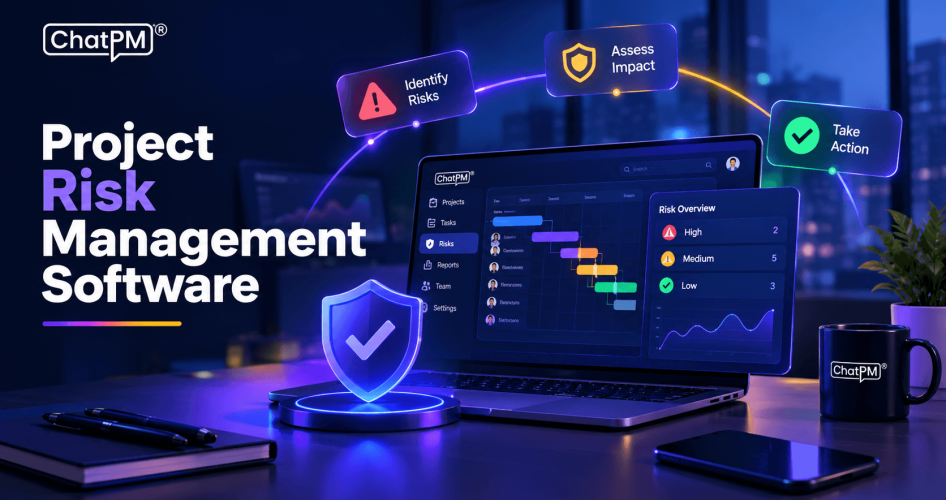
Project risk management is the process of identifying, assessing, and managing potential risks that may affect a project’s objectives, timeline, budget, or quality. It helps organizations anticipate challenges before they occur, enabling teams to develop effective response plans and maintain greater control throughout the project lifecycle.
Effective project risk management involves continuous risk monitoring, evaluation, and mitigation planning. By addressing uncertainties early and tracking potential impacts, project managers can reduce disruptions, improve decision-making, protect project resources, and increase the likelihood of delivering successful projects on time, within scope, and within budget.
Importance of Risk Management in Project Management
Risk management plays a critical role in helping projects stay on track and achieve their objectives. By identifying potential challenges early, teams can reduce uncertainties, improve planning, and make more informed decisions. Here are some key reasons why risk management is important in project management.
1. Improve Decision-Making
Risk management enables teams to make better decisions by identifying potential project difficulties and opportunities. Teams that understand possible risks can plan ahead, reduce uncertainty, and take proactive steps to keep projects moving smoothly. This leads to more confident decision-making and fewer unexpected challenges.
2. Enhanced Communication
Effective risk management promotes communication among all project stakeholders. By discussing risks openly and sharing important information early, teams can improve collaboration, avoid misunderstandings, and ensure everyone remains aligned with project goals and expectations.
3. Prevent Major Issues
Risk management helps teams identify potential problems before they become serious obstacles. By addressing risks early, projects can avoid costly delays, budget overruns, and quality issues, resulting in smoother execution and better overall outcomes.
4. Increase Project Success Rate
Projects are more likely to succeed when risks are identified and managed proactively. Effective risk management helps teams stay within budget, meet deadlines, and maintain quality standards, leading to higher stakeholder satisfaction and improved project performance.
5. Resource Optimization
Risk management helps organizations use resources more effectively by focusing attention on the most critical risks. This ensures time, budget, and effort are allocated where they can have the greatest impact, improving efficiency and project results.
Drawbacks at a Glance
1. Resource-Intensive: Requires significant time, budget, and team effort continuously.
2. False Sense of Security: Documented risks may create overconfidence in project planning.
3. Analysis Paralysis: Excessive risk evaluation can delay project execution decisions.
4. Opportunity Blindness: Focus on threats may limit innovation and growth.
5. Cost of Mitigation: Risk prevention measures can increase overall project expenses.
Ready to Strengthen Your Projects with Effective Risk Management?
Risk management is essential for keeping projects on track, preventing issues, and ensuring successful outcomes. By identifying potential challenges early, making informed decisions, improving communication, and optimizing resources, teams can increase their chances of delivering projects on time, within budget, and to the desired quality.
ChatPM Pro helps teams manage project risks more effectively through real-time collaboration, task tracking, centralized project visibility, and streamlined communication. With better oversight and faster decision-making, teams can identify potential risks early and take proactive steps to keep projects moving forward successfully.
Start managing risks effectively today!