Key Takeaways
- 01
Centralized workflows improve marketing campaign planning and execution. - 02
AI automation reduces repetitive work and boosts team productivity. - 03
Real-time visibility keeps projects organized and on schedule. - 04
Choosing suitable software improves collaboration across marketing teams. - 05
Smart AI features help teams manage growing campaigns with greater confidence and efficiency.
Marketing campaigns rarely fail because of weak ideas. They often lose momentum when scattered tasks, unclear ownership, and shifting priorities create unnecessary confusion across teams. Choosing the right project management software for marketing teams helps businesses regain control before small issues become expensive setbacks.
Yet many organizations continue juggling disconnected tools, endless messages, and missed approvals without recognizing the hidden operational costs. Every delayed campaign quietly affects productivity, collaboration, and business growth. In this blog, we will explore the essential features, benefits, and best solutions for managing marketing projects efficiently.
Ready to simplify campaign planning, task management, and team collaboration? Schedule a demo with ChatPM Pro today and see how AI-powered project management can help your marketing team work smarter and deliver projects faster.
What is Marketing Project Management Software?
Marketing project management software is a specialized digital platform that helps teams plan, organize, execute, and monitor campaigns from the initial brief to final approval. It brings every task, deadline, and stakeholder together within one structured workspace for better coordination.
Beyond organizing projects, it streamlines creative briefs, online proofing, multistage approvals, and campaign tracking through a centralized system. This improves collaboration, reduces communication gaps, and helps marketing teams deliver high-quality campaigns on time with greater efficiency.
Why Do Marketing Teams Need Dedicated Project Management Software?
As campaigns become more complex, project management software for marketing teams helps organize every task, timeline, and stakeholder efficiently. It keeps projects moving smoothly while improving collaboration, visibility, and overall campaign performance.
1. Enhanced Collaboration
Brings creative, strategy, and client teams into one shared workspace for seamless communication.
2. Higher Productivity
Automates repetitive tasks, reminders, and approvals to save valuable time.
3. Better Project Visibility
Provides real-time dashboards and progress tracking for informed decision making.
4. Efficient Resource Management
Balances workloads and assigns tasks based on team capacity.
5. Easy Scalability
Supports growing teams and increasing campaign volumes without disrupting workflows.
Key Features to Look For
– Task Management & Assignment: Organizes tasks with clear ownership.
– Marketing Content Calendar: Plans campaigns across every marketing channel.
– Creative Proofing & Approvals: Speeds reviews with version control.
– Request Intake Forms: Standardizes project requests from stakeholders.
– Resource & Workload Visibility: Balances workloads across team members.
– Multiple Project Views: Switches between preferred project layouts.
– Time Tracking: Monitors time spent on tasks.
– Budget Tracking: Keeps campaign spending under control.
– File Sharing & Asset Management: Stores and shares creative assets.
– Reporting & Analytics Dashboards: Measures project performance with insights.
AI Features to Watch For
– Automated Task Prioritization: Ranks tasks based on urgency.
– Predictive Project Timelines: Estimates realistic project completion dates.
– Intelligent Resource Optimization: Allocates resources for maximum efficiency.
– Content & Headline Suggestions: Generates ideas for marketing assets.
– Automated Reporting: Creates performance reports instantly.
Best Marketing Project Management Software in 2026
Choosing the right project management software for marketing agencies depends on your team’s size, campaign complexity, collaboration needs, and budget. The tools below are compared based on features, ease of use, integrations, scalability, AI capabilities, and overall value for marketing teams.
1. ChatPM Pro
Best for: AI-powered marketing project management
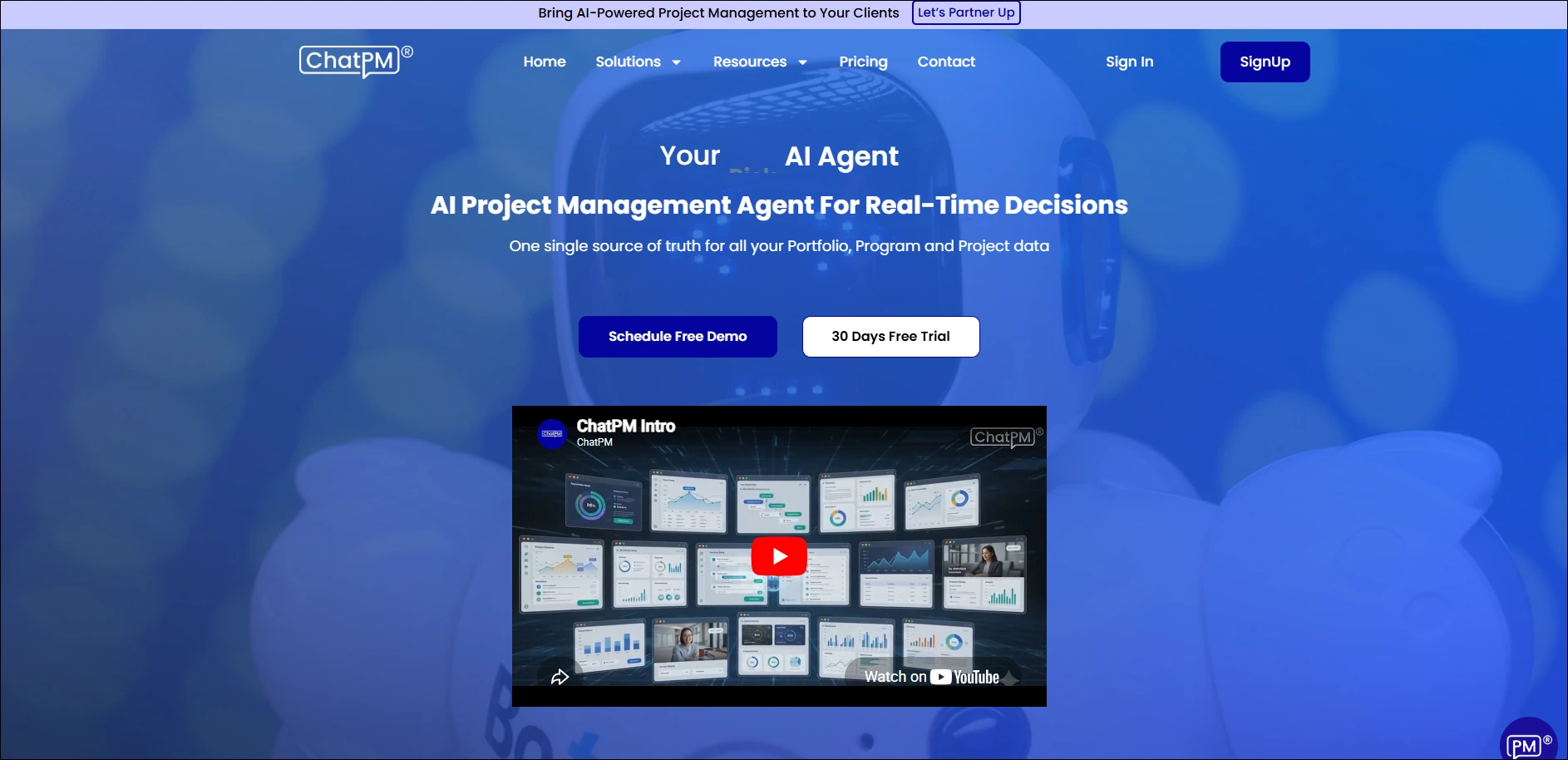
Why it made the list: ChatPM combines project planning, AI assistance, reporting, and collaboration in a single platform designed for modern marketing teams.
Key Features
– AI-powered project assistance
– Campaign planning dashboards
– Task and workflow automation
– Real-time reporting
– Team collaboration tools
2. monday.com
Best for: End-to-end campaign management
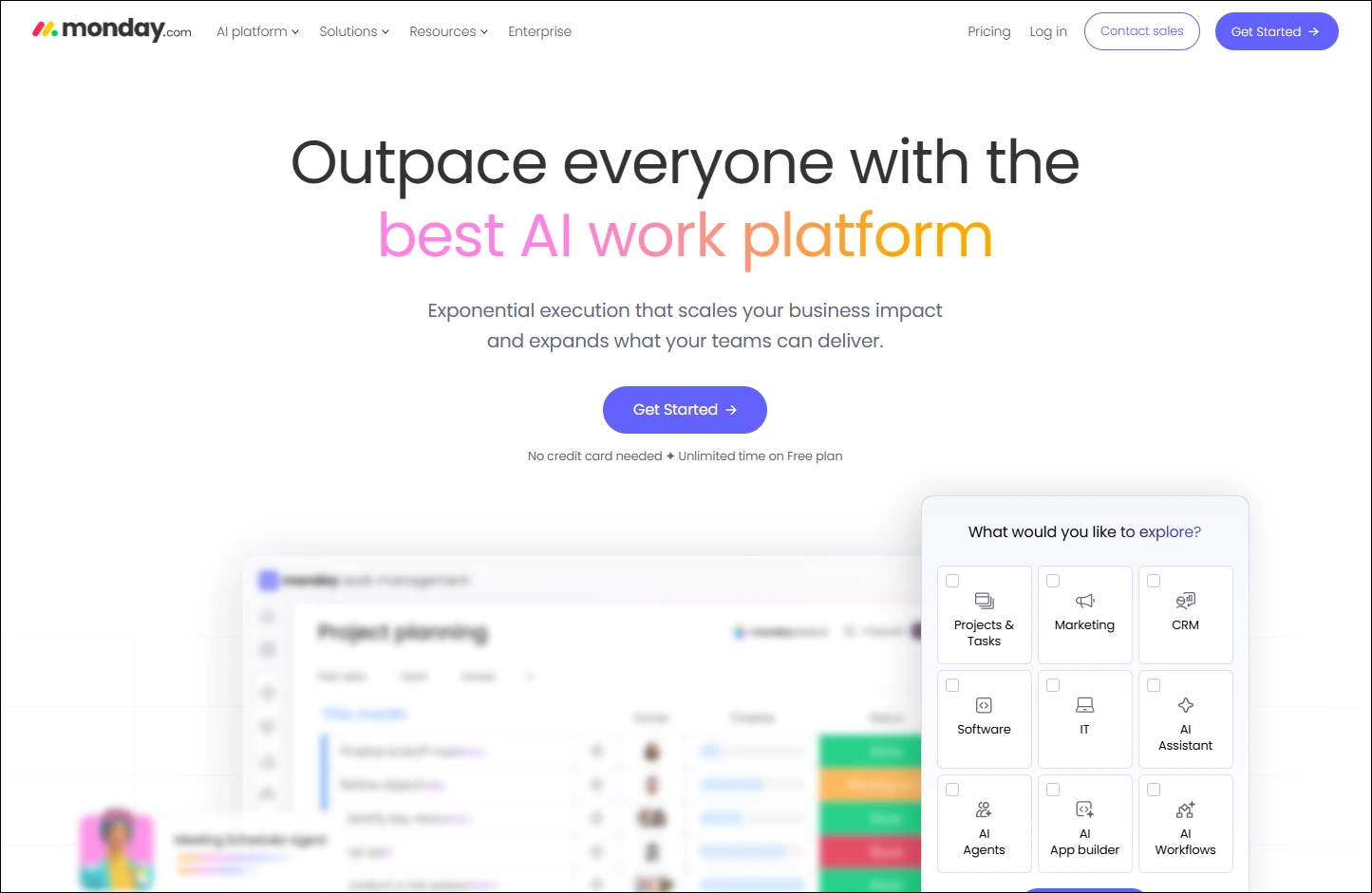
Why it made the list: Provides highly visual workflows for planning, tracking, and delivering marketing campaigns efficiently.
Key Features
– Campaign planning boards
– Workflow automation
– Marketing calendars
– Dashboards
– File collaboration
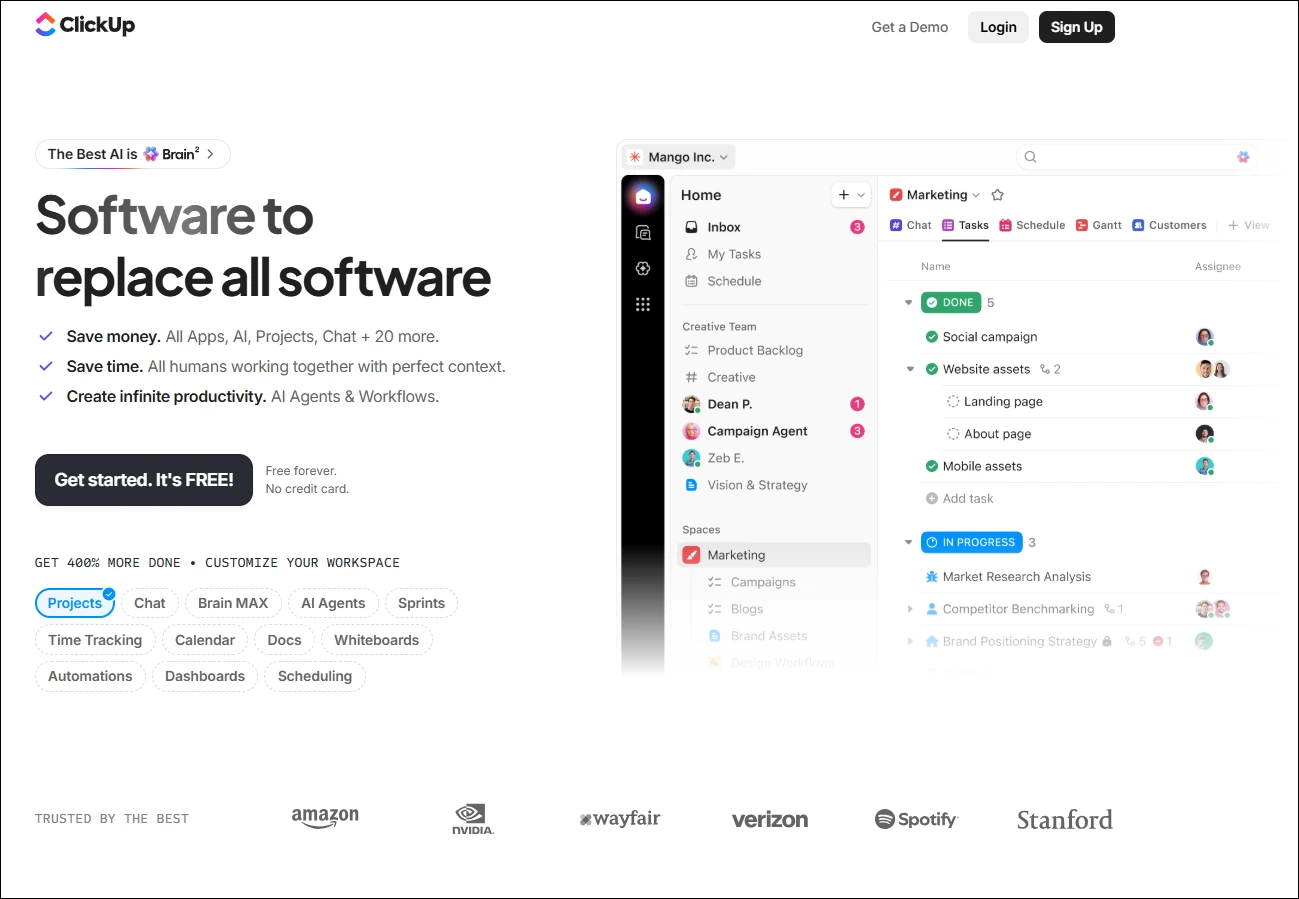
3. ClickUp
Best for: Free plan and all-in-one flexibility
Why it made the list: Offers extensive features, flexible project views, and generous free access for growing marketing teams.
Key Features
– Docs and task management
– AI assistance
– Time tracking
– Goal tracking
– Dashboards
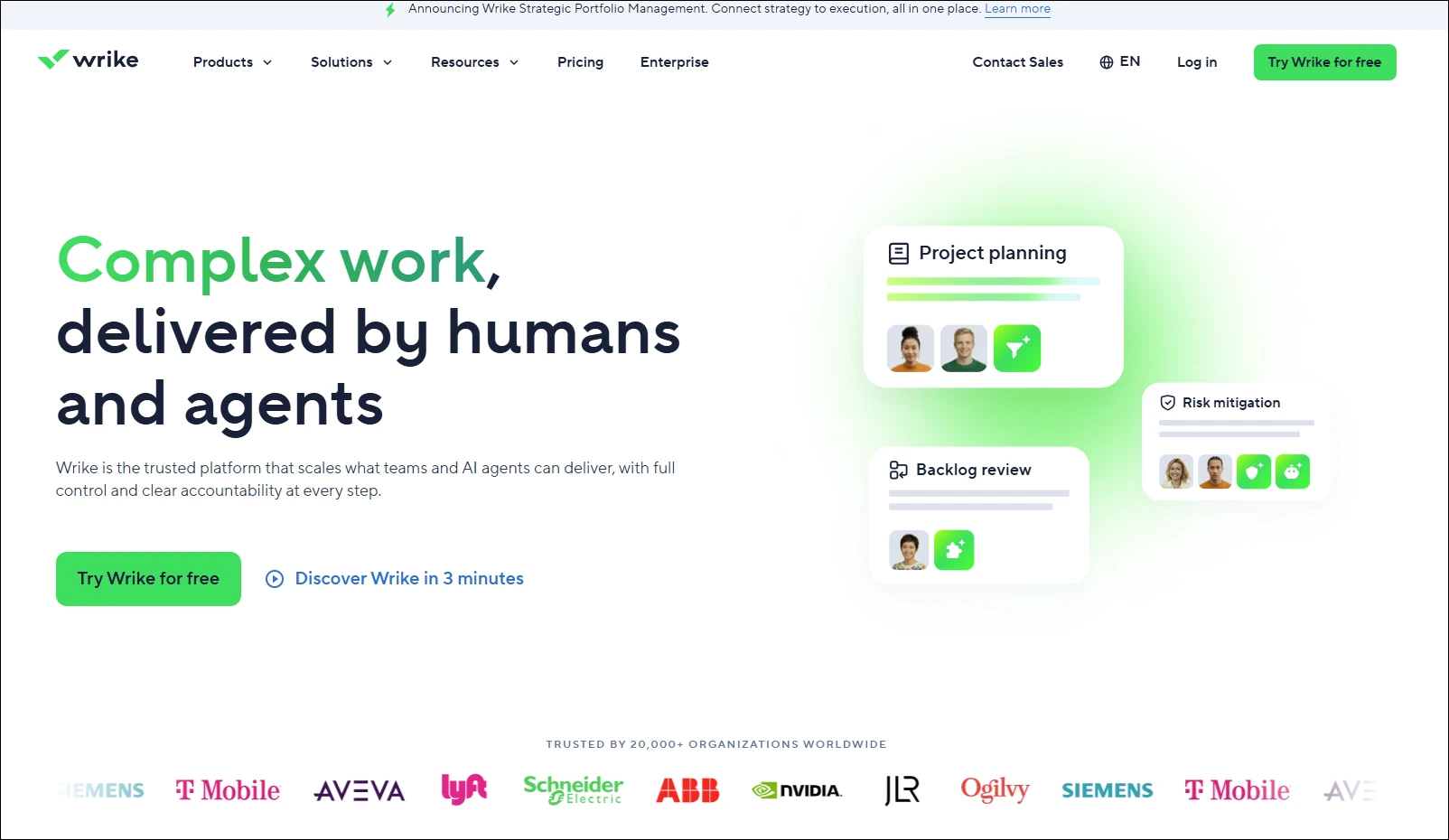
4. Wrike
Best for: Scaling marketing teams
Why it made the list: Helps larger teams coordinate campaigns, approvals, and resources with enterprise-level controls.
Key Features
– Workload management
– Proofing tools
– Custom workflows
– Resource planning
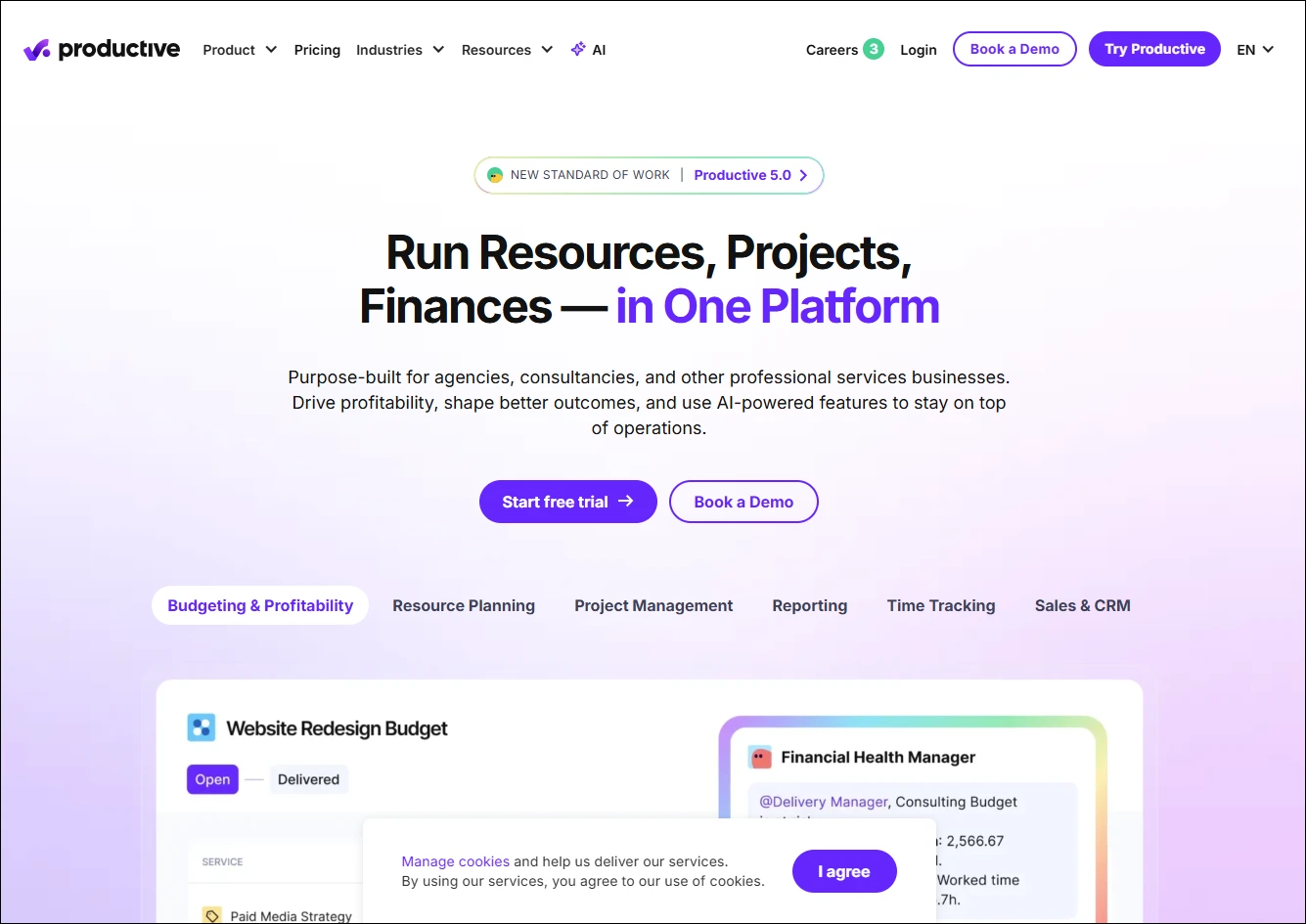
5. Productive
Best for: Agencies and professional services
Why it made the list: Combines project delivery, budgeting, resource planning, and profitability management.
Key Features
– Resource planning
– Time tracking
– Client management
– Reporting
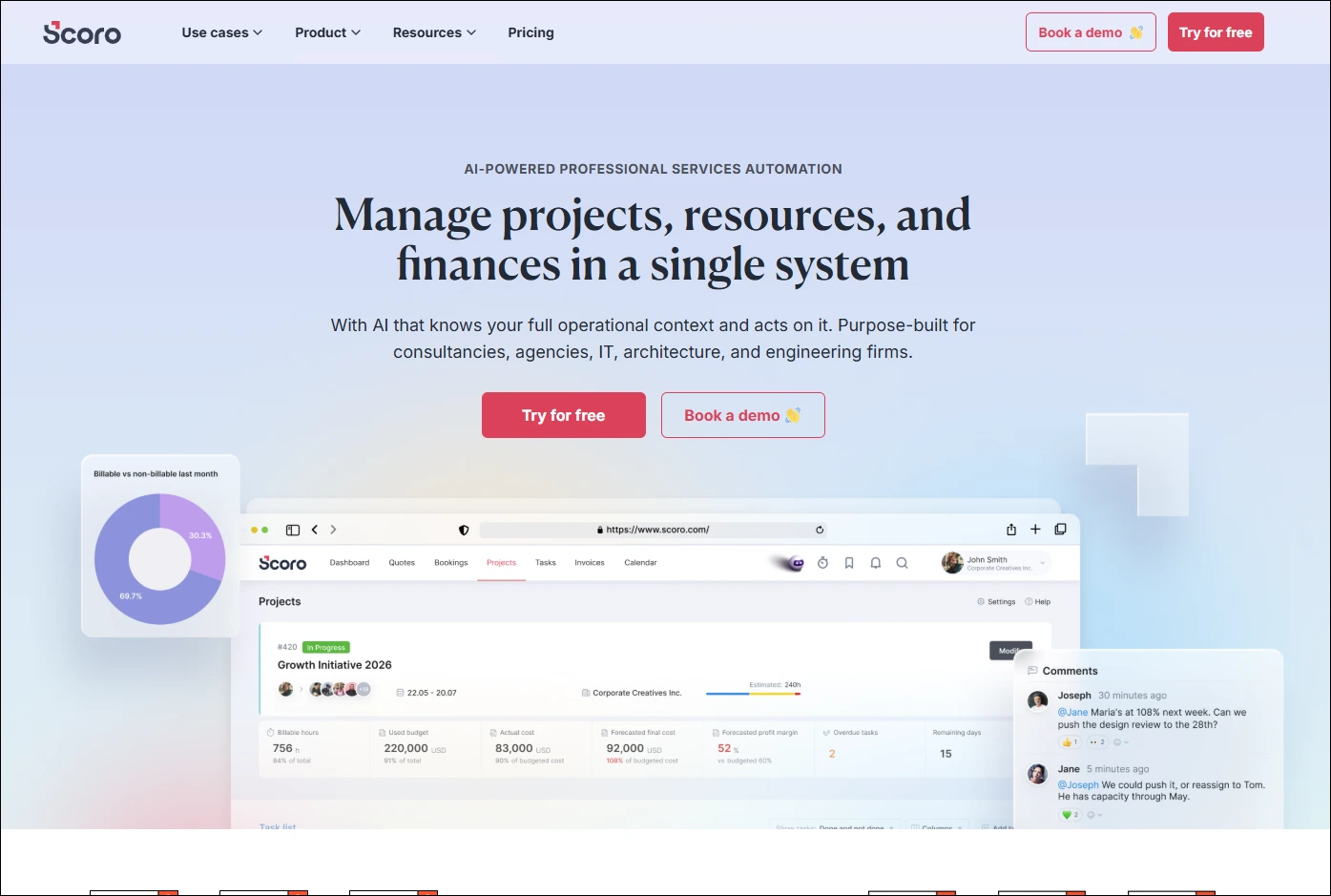
6. Scoro
Best for: Financial and profitability tracking
Why it made the list: Connects project management with budgeting, invoicing, and business performance tracking.
Key Features
– Budget management
– Project tracking
– Financial reporting
– CRM tools
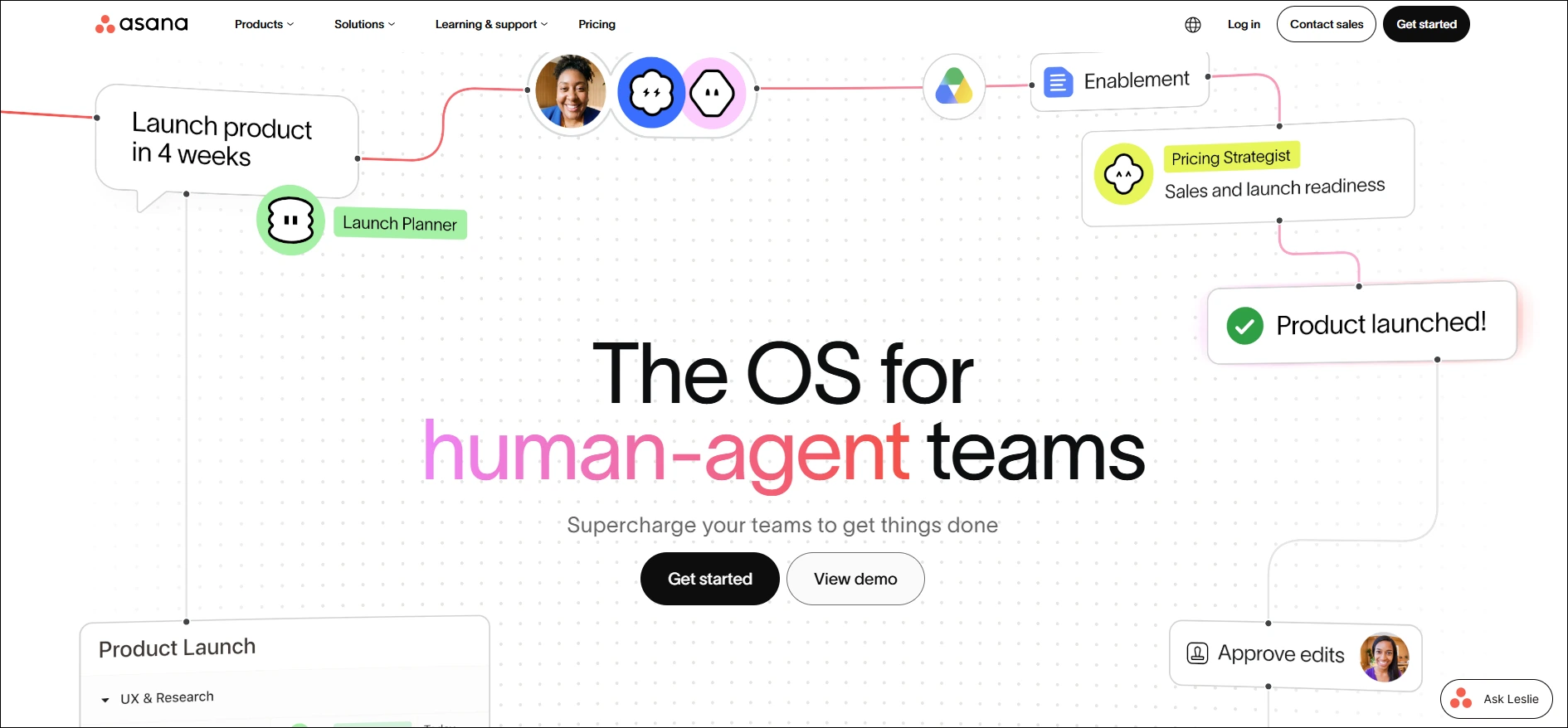
7. Asana
Best for: Cross functional collaboration
Why it made the list: Makes it easier for marketing, design, and sales teams to collaborate within shared workflows.
Key Features
– Task dependencies
– Workflow automation
– Timeline view
– Goal tracking
– Reporting
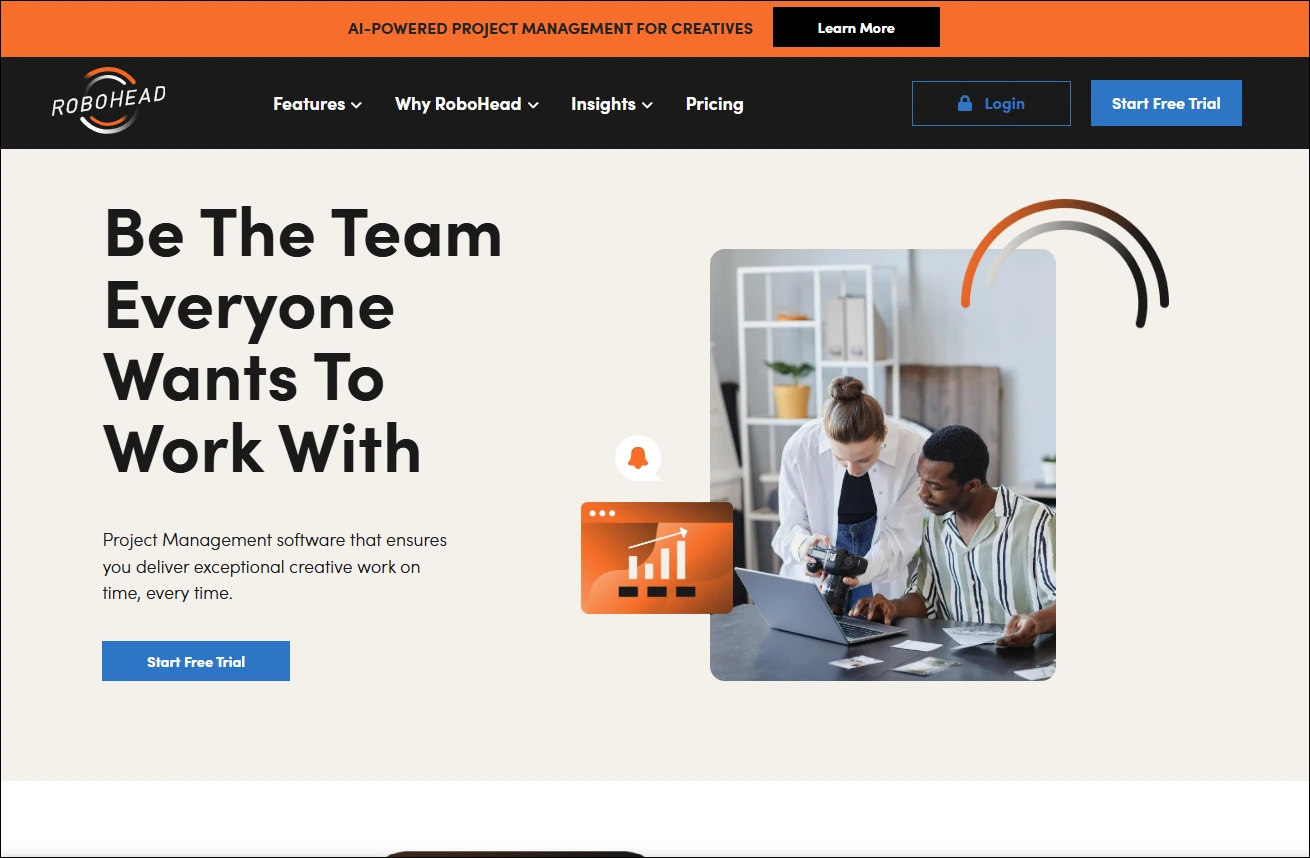
8. Robohead
Best for: Creative feedback collection
Why it made the list: Specialises in marketing operations with efficient review and approval workflows.
Key Features
– Creative proofing
– Approval workflows
– Asset management
– Reporting
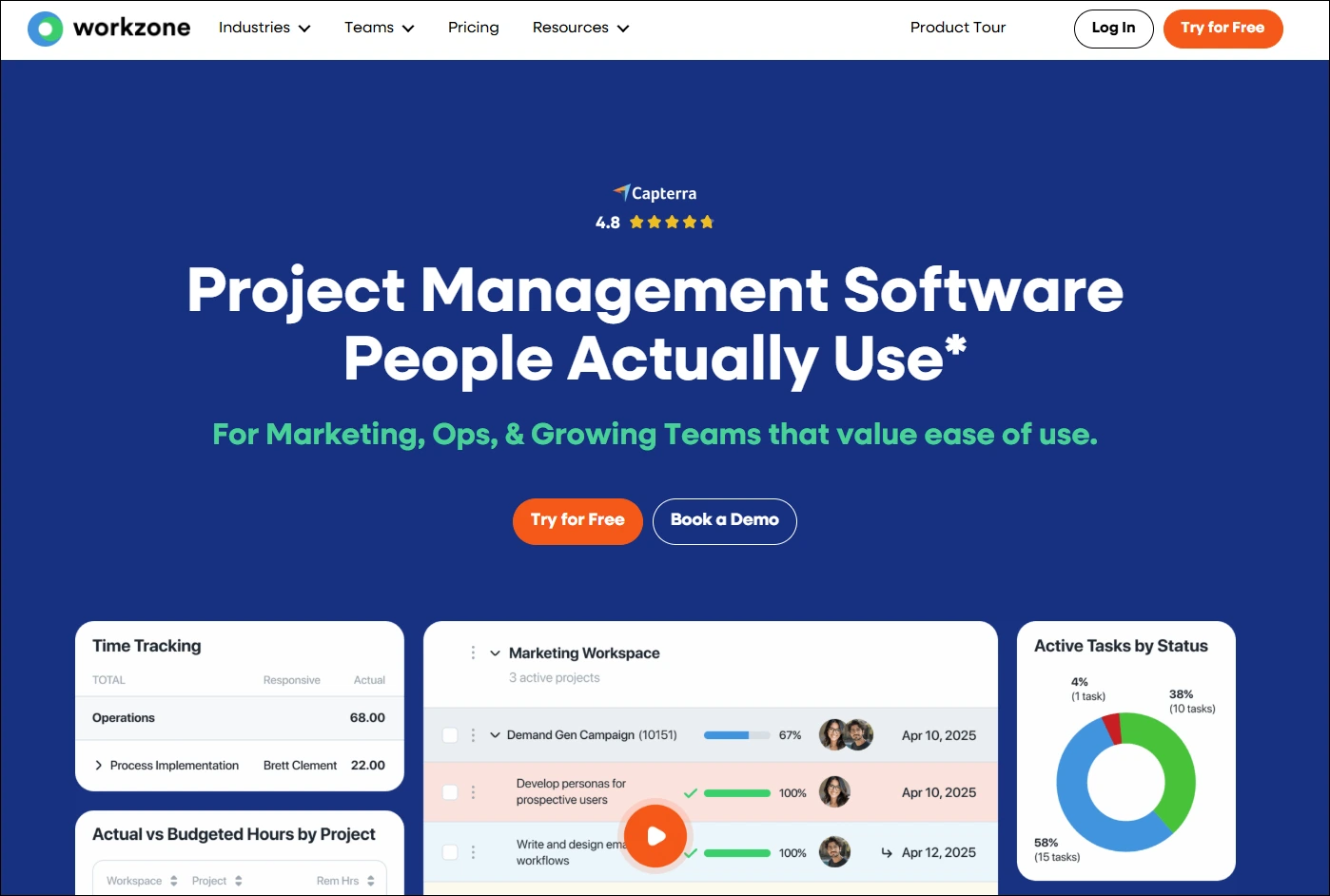
9. Workzone
Best for: Request intake, proofing, and reviews
Why it made the list: Simplifies project requests, reviews, approvals, and workload management on a single platform.
Key Features
– Intake forms
– Proofing tools
– Project dashboards
– Workload management
– Reporting
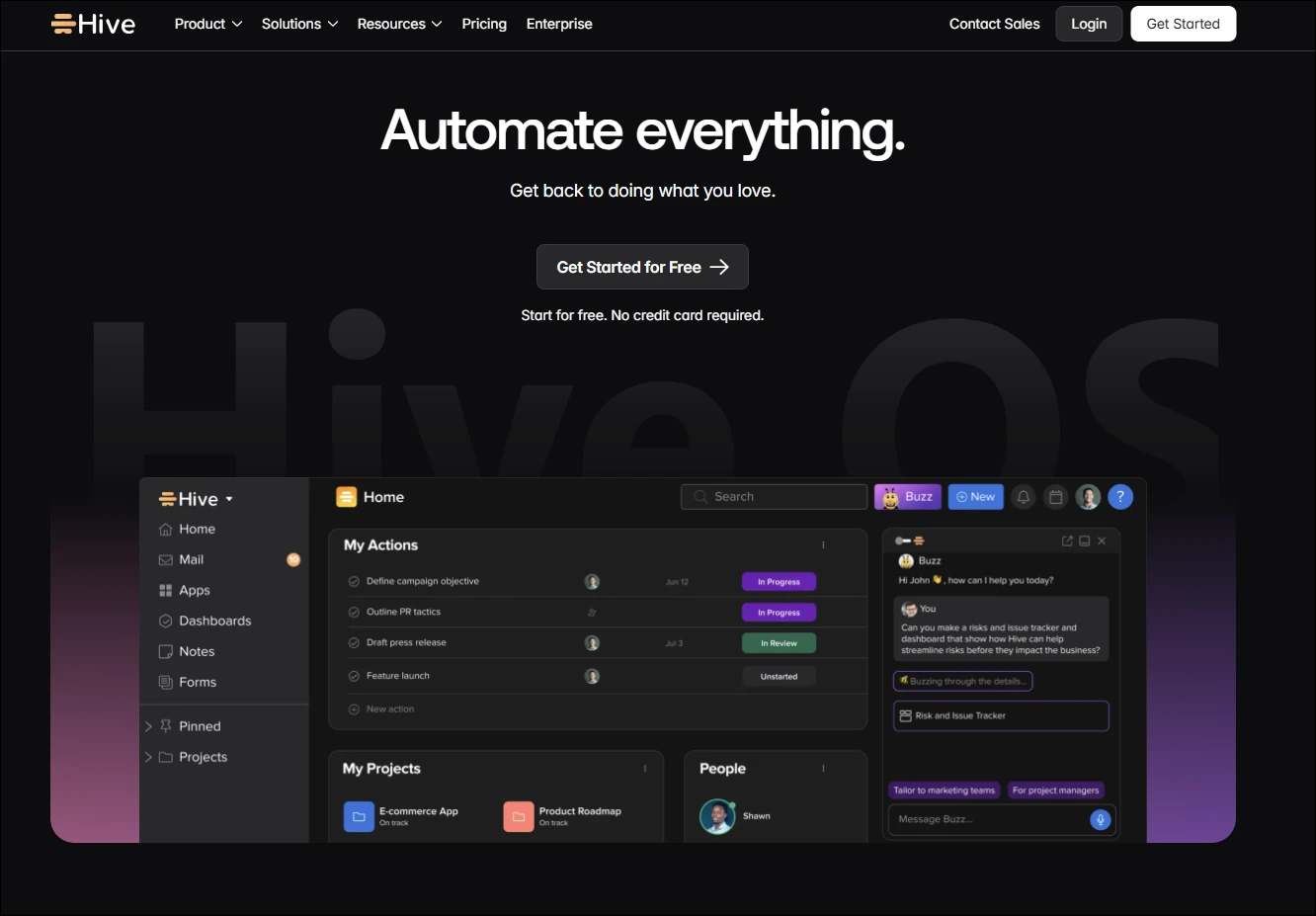
10. Hive
Best for: Flexible project views
Why it made the list: Supports different project management styles with customisable layouts and AI-powered productivity tools.
Key Features
– Kanban boards
– Calendar view
– Time tracking
– AI assistance
Marketing Project Management Software Comparison
| Platform | Best For | Key Strengths |
|---|---|---|
| ChatPM | AI powered marketing project management | AI assistance, dashboards, workflow automation |
| monday.com | End to end campaign management | Visual workflows, automation, campaign tracking |
| ClickUp | Free plan and all in one flexibility | Customization, multiple views, built in AI |
| Wrike | Scaling marketing teams | Resource planning, proofing, advanced reporting |
| Productive | Agencies and professional services | Budgeting, resource management, profitability tracking |
| Scoro | Financial and profitability tracking | Financial management, project planning, reporting |
| Asana | Cross functional collaboration | Task management, collaboration, workflow automation |
| RoboHead | Creative feedback collection | Approval workflows, proofing, asset management |
| Workzone | Intake, proofing, and reviews | Request management, reviews, workload visibility |
| Hive | Flexible project views | Kanban, Gantt, calendar, AI features |
How to Choose the Right Marketing Workflow Management Software?
Selecting the right project management software for marketing teams starts with understanding your business goals, workflow, and collaboration requirements. Consider these key factors before making your decision.
1. Identify Your Challenges
Choose software that solves your biggest workflow and project management gaps.
2. Evaluate Team Access
Ensure it supports your team size, clients, and external collaborators.
3. Check Integrations
Look for seamless connections with your CRM, email marketing, DAM, and communication tools.
4. Define Success Metrics
Prioritize features that improve visibility, campaign speed, productivity, and ROI tracking.
5. Match Your Workflow
Select a platform that fits your existing processes and project management approach.
Trends in Project Management Software for Marketing Teams
Modern marketing workflow management software is becoming smarter, more connected, and easier to use. The latest innovations help marketing teams automate repetitive tasks, improve collaboration, and manage campaigns with greater speed and accuracy.
1. AI Assistants for Planning: AI helps prioritize tasks, predict delays, and recommend the next best actions.
2. Smarter Workflow Automation: Automated approvals, notifications, and task assignments reduce manual effort.
3. Unified Marketing Platforms: Businesses are replacing multiple tools with all-in-one solutions for projects, communication, reporting, and resource management.
4. Advanced Creative Asset Management: AI powered search makes finding images, videos, and documents much faster.
5. Personalized Project Views: Teams can switch between Kanban boards, Gantt charts, calendars, and lists based on their workflow.
6. Deeper Ecommerce Integrations: Better connections with ecommerce, CRM, and marketing platforms create smoother campaign execution.
7. Enhanced Analytics: Real-time dashboards provide better visibility into project progress, budgets, workloads, and campaign performance.
8. Sustainability Tracking: Some platforms now include ESG reporting to help organizations measure sustainability initiatives.
9. Blockchain Based Budget Transparency: Emerging solutions use blockchain technology to improve financial tracking and budget accountability.
Ready to Simplify Your Marketing Projects?
Choosing the right project management software for marketing teams can transform how campaigns are planned, executed, and measured. The best platform improves collaboration, streamlines workflows, increases visibility, and helps marketing teams deliver successful campaigns faster while maintaining quality and accountability.
If your team needs an AI powered solution that combines project planning, workflow automation, real-time reporting, and seamless collaboration, ChatPM is built to support every stage of your marketing operations. Explore how ChatPM can help your team work smarter and achieve better campaign outcomes.
Frequently Asked Questions
1. What makes project management software for marketing teams different from general project management tools?
Marketing focused platforms include campaign calendars, creative approvals, content workflows, and collaboration features designed specifically for marketing activities instead of general business projects.
2. Can marketing project management software support remote and hybrid teams?
Yes. It centralizes communication, task tracking, file sharing, and approvals, making collaboration easier for distributed teams working across different locations and time zones.
3. Which features should growing marketing agencies prioritize first?
Task management, workflow automation, resource planning, reporting, integrations, and approval workflows provide the strongest foundation for managing increasing campaign volumes efficiently.
4. How does AI improve marketing project management software?
AI helps prioritize tasks, predict project timelines, automate repetitive processes, generate reports, and optimize resource allocation for faster and more efficient campaign management.
5. Can marketing project management software integrate with existing business tools?
Most platforms integrate with CRM systems, email marketing tools, cloud storage, communication platforms, and analytics software to create a connected marketing workflow.