
Key Takeaways
- 01
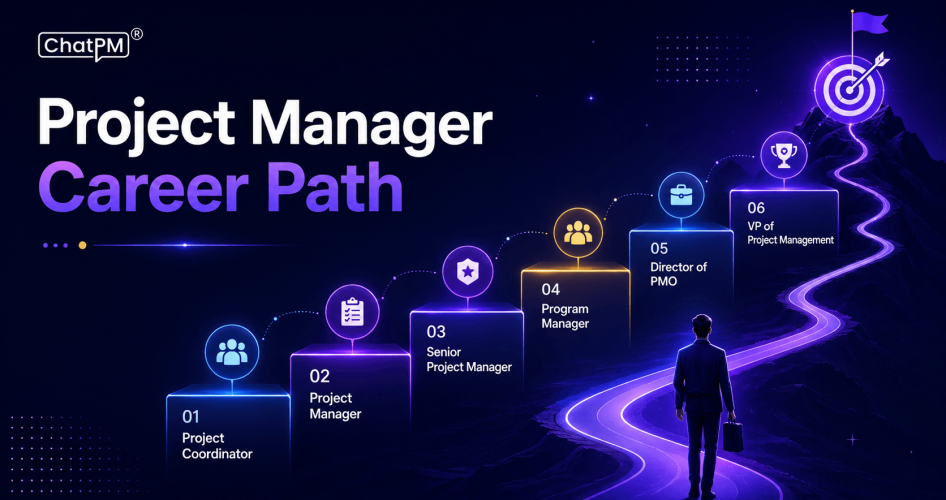
The project management career path provides a structured journey from beginner roles to executive positions. - 02
Skills, experience, and leadership opportunities develop progressively at each career level. - 03
Project managers handle challenges involving planning, communication, decision-making, and problem-solving. - 04
Strong demand for project managers creates opportunities across multiple industries. - 05
The role involves responsibility, attention to detail, leadership, and conflict management.
The project manager career path is a journey of continuous growth and learning. Each stage introduces new responsibilities and opportunities.
For professionals starting out, understanding the different career levels is important. It helps you identify the skills and experience needed for future roles.
From handling small tasks to leading complex projects, each stage builds your expertise. As responsibilities increase, so does your influence within an organization.
Therefore, planning your career path can make it easier to move toward leadership positions. This guide provides a clear roadmap to help you navigate each stage with confidence.
Understanding Project Management as a Career
A career in project management provides opportunities to lead initiatives that create meaningful results within an organization.
Project managers organize resources, manage budgets, and lead teams toward successful project outcomes. The role combines planning, communication, and problem-solving.
As a result, project management can be a good fit for professionals who enjoy both strategic thinking and practical implementation.
Project management is also dynamic and diverse. Different projects present different challenges that require creativity, focus, and collaboration.
Strong analytical and interpersonal skills can help professionals overcome these challenges. In addition, the growing use of project-based strategies across organizations creates opportunities in many industries.
Core Factors of a Project Management Career
Several core factors contribute to long-term growth in project management.
1. Project Methodologies & Technical Skills
2. Leadership & People Management
3. Communication & Stakeholder Engagement
Why Should One Pursue Project Management?
The project manager career path can provide opportunities for professional growth and leadership across different industries. The following factors explain why many professionals consider project management as a career option.
1. Industry Flexibility: Project management skills can be applied across many industries. Therefore, professionals can move between sectors while retaining valuable core expertise.
2. Continuous Development: Every project can provide new learning opportunities. As a result, professionals can continue developing their skills through different assignments.
3. Strategic Impact: Project decisions can affect both teams and business outcomes. Effective project management therefore contributes to organizational performance.
4. Structured Growth: Project management offers different career levels, from junior positions to leadership roles. This creates a structured path for professional development.
5. Varied Responsibilities: No two projects are exactly the same. Consequently, professionals can gain experience by working with different challenges, teams, and objectives.
6. Competitive Compensation: Project managers are needed across many organizations and industries. Compensation can vary based on experience, location, industry, and role.
7. Attention to Detail: Small details can influence project outcomes. Therefore, careful planning and attention to detail can help prevent potential issues.
Drawbacks at a Glance
1. Handling conflicts and disputes can sometimes be stressful.
2. Being accountable for project outcomes can create additional pressure.
3. Balancing deadlines, budgets, resources, and quality can be demanding.
Project Management Career Roles
A strong project manager portfolio showcases your experience across different roles and responsibilities.
Understanding typical career roles can help you plan your professional growth. It also helps you identify the skills needed to progress from entry-level positions to senior leadership.
1. Entry-Level
These roles are typically suitable for professionals with 1–3 years of experience. They help build foundational project management skills and provide practical exposure to project execution.
1. Project Coordinator: Oversees project logistics and ensures that documentation remains accurate and up to date.
2. Junior/Assistant Project Manager: Manages smaller projects or specific parts of larger projects under the guidance of senior managers.
3. Project Administrator: Provides administrative support to the project team and helps maintain smooth communication and operations.
2. Mid-Level
In the project manager career path, mid-level roles typically involve 3–7 years of experience. Professionals at this stage manage full project lifecycles, oversee budgets, and lead teams.
1. Project Manager: Responsible for the day-to-day management and successful delivery of projects.
2. Technical Project Manager: Leads technical teams and ensures complex projects meet defined objectives.
3. Industry Based Project Manager: Specializes in managing projects within a specific industry while applying relevant domain expertise.
3. Senior-Level
At this stage of the project manager career path, professionals with 7–10+ years of experience may manage multiple projects, lead larger teams, and support strategic business outcomes.
1. Senior Project Manager: Oversees complex or multiple high-stakes projects to support successful delivery.
2. Program Manager: Manages a group of related projects while focusing on broader strategic benefits.
3. Project Management Office (PMO) Lead: Establishes and manages project standards, methodologies, and best practices across the organization.
4. Executive-Level
With 10+ years of experience, executive-level roles can involve overseeing multiple projects or departments. These positions focus on leadership, decision-making, and aligning project outcomes with organizational strategy.
1. Portfolio Manager: Selects, prioritizes, and aligns projects with strategic business goals.
2. Director/VP of Project Management: Leads the project management department and supports consistent delivery across projects.
3. Chief Operating Officer (COO): Oversees business operations and connects project outcomes with broader organizational objectives.
A Quick Look at Project Manager Salary
Entry-Level: $75,000 – $90,000
Mid-Level: $100,000 – $130,000
Senior-Level: $120,000 – $150,000+
Building a Successful Project Management Career
The project manager career path provides a roadmap from entry-level roles to executive leadership. Along the way, professionals can develop new skills, gain experience, and take on greater responsibilities.
Understanding the roles, responsibilities, and expectations at each stage can help professionals plan their development more effectively. In addition, a clear career plan can make it easier to identify the experience and skills required for future opportunities.
By leveraging tools like ChatPM, project managers can streamline planning, track progress, and improve collaboration across teams.
For professionals exploring how to become a project manager, integrating ChatPM into daily workflows can support more efficient project management and smoother execution.
Schedule Your Demo