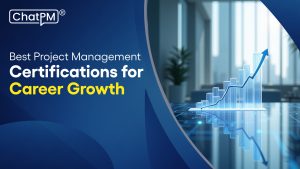
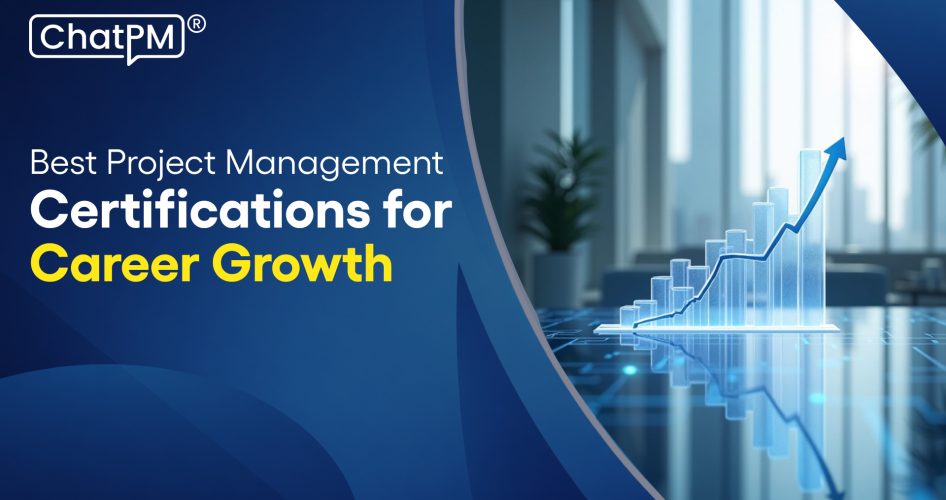
Every successful project starts with clear planning and strong leadership. Professionals who can organize tasks, guide teams, and meet deadlines stand out in today’s business world. A project management certification can highlight these skills, giving you credibility and opening doors to bigger opportunities. It shows that you not only understand project principles but can apply them effectively, making you a trusted professional in any organization.
Selecting the right path for growth can feel overwhelming, but certifications provide direction and focus. They offer knowledge about structured learning, practical tools, and techniques used in real projects. Beyond knowledge, certifications boost confidence, improve decision-making, and enhance professional reputation as well. So, in this blog, we will explore the best PMP certifications for your career growth. Let’s dive in!
Looking for a reliable way to manage AI projects without delays, cost overruns, or misalignment? At ChatPM, we deliver tailored AI Project Management Services that keep your projects on track and aligned with your strategic goals.
What is a Project Management Certification?
A project management certification is a formal recognition of your ability to plan, execute, and complete projects successfully. It shows employers that you have the knowledge, skills, and practical experience to manage tasks, timelines, and teams effectively. Certified professionals are trusted to handle responsibilities with confidence.
These certifications also help you grow professionally by improving your expertise and problem-solving skills. They can increase career opportunities, higher positions, and earning potential. By learning structured methods and best practices, you get to know about tools that apply directly to real projects, giving you an edge over others in the same field.
Why is Project Management Professional Certification Important?
Strong project skills can make a big difference in achieving goals on time and within budget. Gaining formal recognition for these abilities opens doors to new opportunities and growth.
1. Worldwide Recognition
This certification is respected across the globe and shows employers that you can manage projects effectively. It makes your skills credible no matter where you work.
2. Better Career Opportunities
Certified professionals often get considered for higher roles and responsibilities. It helps you stand out in a competitive job market.
3. Higher Earning Potential
Many certified professionals earn significantly more than those without certification. Your investment in learning can lead to substantial salary growth.
4. Verified Skills
The certification proves that you can manage teams, processes, and priorities efficiently. It assures employers of your practical expertise.
5. Professional Connections
It gives you access to a network of peers and experts in the field. Networking helps you learn, share ideas, and grow professionally.
6. Skills for Any Industry
The knowledge that you gained applies to different sectors, from IT to construction. You can use these skills in almost any professional environment.
Top Project Management Certifications to Advance Your Career
Finding the best project management certification can make your career stronger and more rewarding. Each certification focuses on real skills you can use at work. Here are some widely recognized certifications that help you grow and stand out:
1. Project Management Professional (PMP)
The Project Management Professional (PMP) is a globally respected credential for experienced project leaders. It proves you can lead projects from start to finish and handle people, processes, and priorities well. To qualify, you need formal hours of project education and several years of real project leadership experience.
2. CompTIA Project+
CompTIA Project+ is designed for people who coordinate small to medium-sized projects, especially in IT. It teaches practical planning, execution, communications, and risk basics used in real work. There are no strict prerequisites, but completing project management courses online can help you prepare effectively.
3. Certified Associate in Project Management (CAPM)
Certified Associate in Project Management is ideal for professionals beginning their project career. It shows that you understand foundational project processes and tools used by teams every day. You must have a basic education and complete project management education hours before you take the exam.
4. Professional Scrum Master (PSM I)
The Professional Scrum Master I certification confirms you understand the Scrum framework and how to support a Scrum team. It focuses on agile ways of working that many companies use in software and other projects. You do not need formal prerequisites, but training is recommended before the exam.
5. Program Management Professional (PgMP)
Program Management Professional is for professionals who manage multiple related projects together. It shows you can handle resources and risks at a broader, strategic level. To apply for this, you need significant experience in managing projects and programs across teams.
6. PMI Risk Management Professional (PMI‑RMP)
PMI‑RMP recognizes expertise in identifying and managing project risks. It shows employers that you can protect project goals by spotting threats early and planning responses. To qualify, you must have project risk management experience and formal training hours.
7. Associate in Project Management (APM)
The Associate in Project Management certificate introduces you to common project terms, methods, and communication skills. It gives you a good base in planning and managing work around resources, time, and risks. You do not need formal experience or education to take this certification.
8. PMI Scheduling Professional (PMI‑SP)
The PMI‑SP credential proves you can manage project schedules efficiently and meet key deadlines. It focuses on planning activities, sequencing work, and using scheduling tools effectively. You must have project scheduling experience and specific education before applying.
9. PRINCE2 Certifications
PRINCE2 (Projects in Controlled Environments) is a widely recognized project management method used especially in Europe. It teaches a common framework of processes and terminology so that teams can work in a structured way from start to finish. The certification covers planning, risk management, resource use, and delivery to help projects in meeting goals and satisfying stakeholders.
10. Certified Project Management Practitioner (CPMP)
The Certified Project Management Practitioner (CPMP) focuses on real‑world project skills and tools used in professional settings. It helps professionals build leadership, planning, and problem‑solving abilities for successful project delivery. There are no strict formal prerequisites, but having some project experience makes preparation and understanding easier.
Key Factors to Consider When Choosing a Project Management Certification
Picking the right certification can make a big difference in your career path. Considering important factors helps you choose one that matches your experience and goals.
1. Current Career Stage
Think about your experience and where you stand in your career. Choose a certification that matches your current level and supports your growth.
2. Target Role
Consider the position you want to move into next. The right certification can help you qualify for that role and stand out to employers.
3. Area of Focus
Decide which area of project management you want to specialize in. Different certifications teach different skills, so pick one that fits your interests.
4. Learning Format
Check if the certification is offered online, in-person, or in a hybrid format. Select the format that works best with your schedule and learning style.
5. Program Duration
Look at how long the certification will take to complete. Make sure it fits within your work commitments and personal availability.
6. Relevance to Current Job
Think about how the certification will help you in your current role. It should strengthen your skills, knowledge, and credibility at work.
7. Industry Recognition
Choose a certification that is widely recognized and respected in your industry. This guarantees that your qualification is valued by employers.
8. Exam Difficulty
Understand how challenging the certification exam is. Being aware of this helps you plan your preparation and study time effectively.
9. Cost of Certification
Consider the project manager certification cost and what it includes. Compare it with potential career benefits to decide if it is worth the investment.
Key Steps to Gain a Project Management Certification
Earning a certification requires clear preparation and the right approach. Following a few structured steps can help you plan your learning and move confidently toward achieving the certification.
Step 1: Choose the Right Certification
Start by selecting a certification that matches your career goals and experience level. Different credentials focus on different roles and skill levels. Review the eligibility criteria carefully before deciding which certification fits you the best.
Step 2: Meet Experience and Education Requirements
Most certifications require a certain level of professional experience in managing or supporting projects. Some also require formal education hours in project management. Check the exact requirements so that you know what preparation is needed before applying.
Step 3: Submit Your Application
Once you meet the requirements, complete the application through the official certification provider’s website. You will need to document your project experience and education. The application is then reviewed to confirm that you meet the eligibility criteria.
Step 4: Prepare for the Examination
Preparation is an important part of earning a project manager certification. Candidates usually study exam outlines, reference materials, and practice questions to understand the format. Creating a study plan helps you focus on key topics and prepare effectively.
Step 5: Schedule and Take the Exam
After the application is approved, you can schedule the exam. Many certification exams are available at testing centers or through online monitored systems. Follow the exam instructions carefully and ensure you are ready on the scheduled date.
Step 6: Maintain the Certification
Many certifications require professionals to continue learning after they earn the credentials. This often involves completing professional development activities and earning development units. Submitting these credits on time helps maintain the validity of the certification.
How to Prepare for a Project Management Certification Exam
Preparing well for the exam improves your chances of success. A focused study approach and the right resources can help you understand the concepts and exam format more clearly.
1. Check Eligibility Requirements
Start by reviewing the eligibility criteria for the certification you want. Requirements usually include a mix of education and project experience. Confirm these details before you begin the application process.
2. Collect the Right Study Materials
Use trusted study resources such as official guides, exam outlines, and preparation books. These materials explain the concepts, frameworks, and practices used in real projects. Having the right resources makes learning more structured.
3. Create a Realistic Study Plan
Set a clear timeline for your preparation and choose a suitable exam date. Many candidates dedicate several hours each week to consistent study. A structured plan helps you stay focused and cover all key topics.
4. Focus on Practical Understanding
Certification exams often test how you apply knowledge in real situations. Spend time understanding project scenarios, decision-making, and management approaches. This approach helps you prepare effectively for a project management certification exam.
5. Practice with Mock Exams
Taking practice tests helps you understand the exam format and time limits. It also shows which topics need more attention. Regular practice builds confidence before the actual exam.
6. Prepare Properly for Exam Day
Rest well the night before the exam and avoid last-minute cramming. Manage your time carefully while answering questions. Staying calm and focused can help you perform your best.
Ready to Advance Your Project Management Career?
Earning a project management certification can open new opportunities for professionals who want to grow in their careers. It helps them build strong planning, leadership, and problem-solving skills needed to manage projects successfully. With the right certification and preparation, professionals can strengthen their credibility and take on greater responsibilities in different industries.
To apply these skills effectively in real projects, modern tools also play an important role. ChatPM helps professionals organize tasks, track project progress, and support better decision-making throughout the project lifecycle. When strong knowledge meets the right technology, managing projects becomes more efficient and structured.