
Key Takeaways
- 01
Scope creep starts small but gradually disrupts timelines, budgets, and overall project focus. - 02
Poor communication, unclear boundaries, and informal approvals are the most common scope creep causes. - 03
Early identification of warning signs helps teams prevent small changes from becoming major problems. - 04
AI tools detect risk patterns, monitor conversations, and flag unapproved changes in real time. - 05
Structured change approval processes and continuous monitoring keep project scope firmly under control.
Clear goals and defined boundaries are essential for successful project delivery. When requirements quietly expand beyond the original plan, timelines, budgets, and team focus can suffer. This challenge, commonly known as scope creep, often begins with small changes that feel manageable but gradually disrupt execution and reduce overall project control.
In modern, fast-moving environments, teams must recognize how project scope creep develops and why it is difficult to manage using traditional methods alone. With growing complexity and stakeholder expectations, smarter, data-driven approaches are becoming essential to maintain clarity, alignment, and accountability. In this blog, we will explore how to identify, prevent, and control scope changes effectively using AI-driven insights and tools.
Looking to stop scope creep from derailing your projects? At ChatPM, our AI Agent ensures your projects stay organized and on schedule.
What is Scope Creep in Project Management?
When a project begins with clear plans but slowly picks up extra tasks, features, or expectations along the way, problems often follow. This situation is known as scope creep in project management. It usually starts small, but over time it affects schedules, costs, and team focus.
This often happens due to unclear goals, evolving stakeholder expectations, or changes in business needs. Sometimes it appears as requirement creep, where new needs are added without proper review or approval. Managing scope carefully helps teams stay aligned, control risks, and deliver projects successfully.
Here are some of the common causes of scope creep in a project:
1. Poor communication leads to misunderstandings and misaligned expectations.
2. Unclear project boundaries make it easier to introduce unplanned work.
3. Limited stakeholder involvement causes late changes and added requests.
4. Uncertain objectives allow goals and deliverables to shift over time.
5. External factors like market or regulatory changes influence requirements.
Planning to keep your project within budget and timeline? Explore how a deep understanding of scope in project management can make your projects run smoother.
How to Identify Scope Creep in Project Management?
Identifying scope creep early helps teams protect timelines, budgets, and overall project quality. By spotting warning signs in day-to-day work, project managers can take action before small changes turn into major issues.
1. Frequent Small Changes
Minor requests keep coming without formal approval. Over time, these additions indicate scope creep.
2. Timeline and Cost Slippage
Deadlines are missed, and budgets stretch beyond estimates. This signals unplanned work entering the project.
3. Work Outside the Plan
Team members handle tasks not listed in the original scope. Focus shifts away from core deliverables.
4. Informal Change Decisions
Updates are accepted through verbal discussions instead of documentation. Control and traceability are lost.
5. Shifting Stakeholder Needs
Expectations change during execution, leading to unnecessary additions.
6. Blurred Project Direction
Goals become unclear as new tasks dilute the original purpose.
Want to manage project scope more effectively with AI? Explore our blog to discover how AI project management tools help teams identify scope changes early and keep projects on track.
How to Manage Scope Creep in Project Management Using AI?
Managing expanding project demands requires early insight, clear control, and informed decision-making. AI-powered tools support teams by predicting risks, tracking changes, and guiding how to handle scope creep before it impacts delivery.
1. Clear Scope Mapping from Day One
AI tools analyze project documents and stakeholder inputs to build a precise work structure. This removes ambiguity around deliverables and responsibilities early. Clear boundaries reduce the risk of scope creep at the foundation stage.
2. Early Risk Pattern Detection
Machine learning reviews past project data to identify patterns linked to uncontrolled changes. It highlights modules or phases where issues usually begin. These insights support proactive decisions in managing scope creep effectively.
3. Instant Change Impact Visibility
AI evaluates how a requested change affects cost, timelines, and resources in real time. Decisions are based on data rather than pressure or assumptions. This helps teams assess changes without escalating scope creep.
4. Monitoring Everyday Project Conversations
Natural language processing scans emails, chats, and meeting notes for risky change signals. Informal requests are flagged before they become action items. This prevents unnoticed scope expansion during execution.
Also Read: Conversation to Project Plan
5. Automated Change Approval Flow
AI manages the submission and routing of change requests automatically. Each request follows a defined evaluation and approval path. This ensures no update bypasses governance controls.
6. Scenario-Based Resource Planning
AI simulates different outcomes when changes are proposed. Teams can see how small additions affect workload and delivery paths. This clarity discourages unnecessary scope creep.
7. Requirement Ownership Tracking
Every requirement is linked to a stakeholder and a business goal using AI. Requests without clear alignment are flagged for review. This maintains accountability and strategic focus.
8. Continuous Project Health Monitoring
AI dashboards track deviations from the approved plan in real time. Early alerts allow corrective action before issues grow. This supports stable delivery and prevents gradual scope creep from taking hold.
Struggling to keep your projects on track while managing multiple priorities? Explore how AI-powered project management can streamline workflows and boost team productivity
How ChatPM Helps Prevent Scope Creep in Projects?
ChatPM acts as an AI-powered project management assistant that continuously tracks requirements, changes, and team activity. Here is how ChatPM supports project management preventing scope creep through intelligent, real-time controls.
1. Structured Scope Setup
ChatPM defines clear deliverables and task boundaries from the start. This shared structure reduces confusion and limits scope creep.
2. Real-Time AI Monitoring
The AI tracks progress continuously and flags deviations early. Managers can address issues before scope creep grows.
3. Smart Change Assessment
Each change request is analyzed for impact on time, cost, and resources. Decisions stay data-driven and controlled.
4. Communication Tracking
ChatPM scans Teams conversations for hidden or informal requests. This prevents unapproved work from entering the project.
5. Live Data Visibility
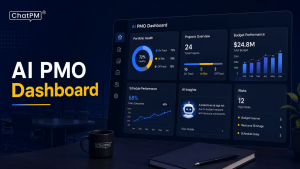
Dashboards show scope status and trends in real time. Predictive insights support early, corrective decisions.
Wondering why scope creep keeps affecting your project’s success? Read to gain insights into project scope management strategies that work in real-world scenarios.
Ready to Take Control of Your Project Scope?
Uncontrolled changes can quietly derail even the most well-planned initiatives. By recognizing early warning signs, applying structured controls, and using intelligent tools, teams can protect timelines, budgets, and outcomes. Addressing scope creep proactively ensures projects stay focused, predictable, and aligned with original business goals.
ChatPM strengthens this approach by acting as an always-on AI project assistant. It brings clarity through real-time monitoring, structured change control, and data-driven insights. With ChatPM, teams gain better visibility, faster decisions, and stronger alignment, making it easier to deliver projects with confidence and control.
Get started with ChatPM today!
FAQs
1. How does scope creep typically start in projects that have stronginitialplanning?
Even well planned projects experience scope creep when stakeholder expectations evolve mid execution. Small verbal agreements, informal email requests, or last minute feature additions bypass formal processes. Without consistent monitoring and structured change controls, these minor additions accumulate quickly and silently derail even carefully planned project timelines.
2. How should project managers communicate scope boundaries clearly to stakeholders from the beginning?
Start with a detailed project charter that outlines deliverables, exclusions, and approval processes. Review it with all stakeholders during kickoff and refer back to it regularly. Clear documentation creates a shared reference point that makes it easier to push back on unplanned requests professionally and confidently.
3. What is the difference between a legitimate change request and actual scope creep in practice?
A legitimate change request goes through a formal review, impact assessment, and approval process before execution begins. Scope creep bypasses this process entirely, entering the project informally through conversations or assumptions. The key difference is governance, documented approval always separates controlled change from uncontrolled expansion.
4. How do teams maintain stakeholder relationships while still saying no to scope creep requests?
Acknowledge the request professionally and explain its impact on timelines, budget, and resources using data. Offer to include it in a future phase if appropriate. When stakeholders understand the consequences clearly and feel heard, they are far more accepting of boundaries without damaging the working relationship.
5. How does managing scope creep in project management become easier as teams gain more experience?
Experienced teams recognize early warning signs faster and respond with established processes rather than improvised solutions. They build stronger documentation habits, communicate boundaries proactively, and use historical project data to anticipate where scope expansion typically begins, making prevention far more natural and consistent over time.